
WE OTHERS. PHOTOS OF GAY LIBERATION BY DONNA GOTTSCHALK AND HÉLÈNE GIANNECCHINI
Read 3.5 minsWORDS: MATT FORDImages by Donna Gottschalk’s (CURTESY of the PHOTOGRAPHERS gallery and Margaret PR)
Lesbians Unite, Revolutionary Women’s Conference, Limerick, Pennsylvanie, octobre 1970"I Deserve Love." A quote from one of the subjects in Donna Gottschalk's queer liberation photographic archive, spanning the late '60s to this century. the phrase easily sums up the feelings, thoughts, and politics of this delicate yet poignant body of work.
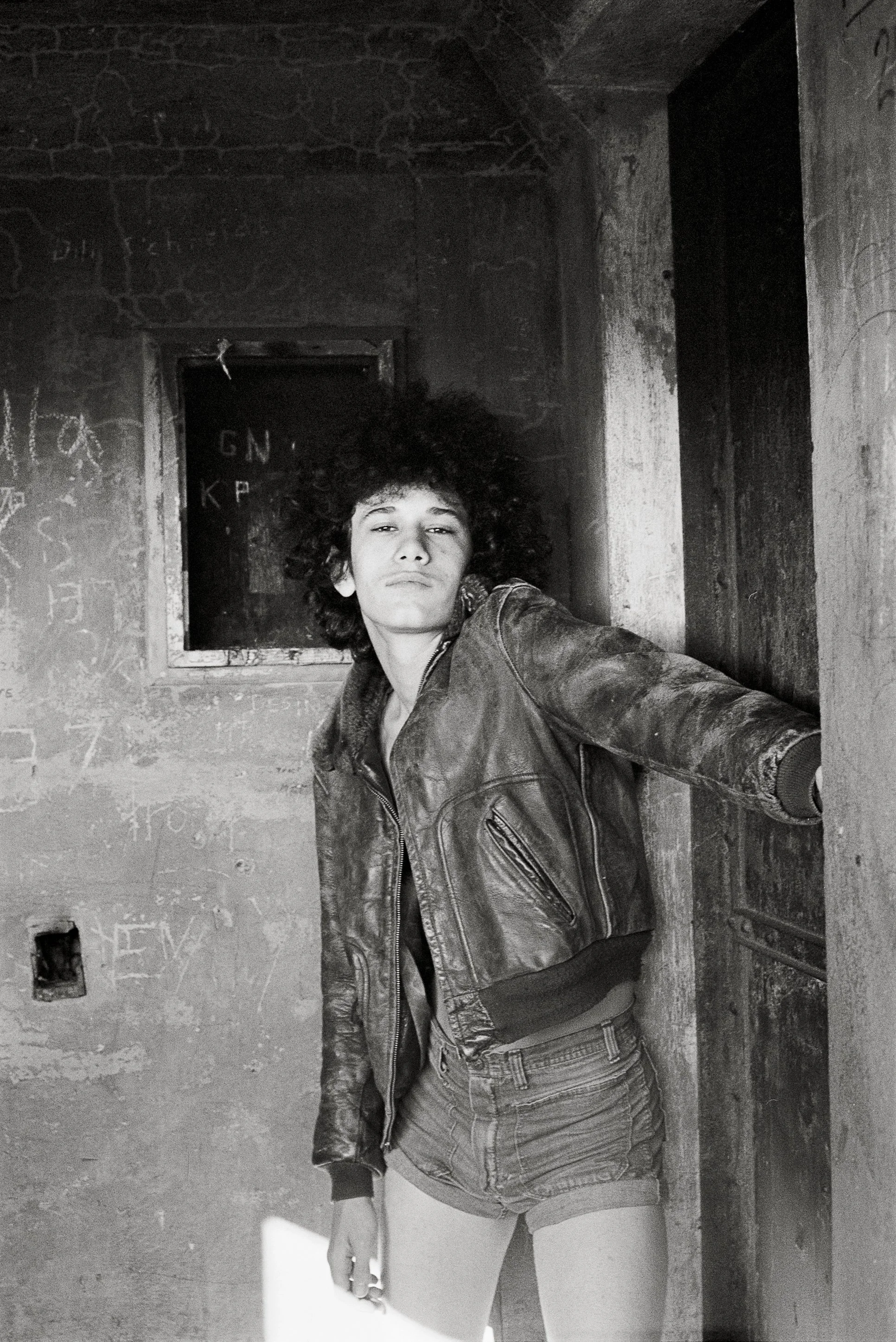
Myla, Sausalito, Californie, 1972-1973The show promises a look back at a time (and perhaps in many ways the birth) of queer defiance and liberation. But what is delivered is much more than that. We get to follow the journey of several queer friends of Gottschalk’s, some from childhood to death, in a deeply tender, intimate portfolio.
Without attempting to force a narrative, her work is both tragic and celebratory. By the end, you feel like you could make a movie about any one of the ‘characters’ presented. as I left feeling like I knew them so well.
Let’s talk about the evolution of Myla. We get to see her (pre-transition) peacefully sleeping as an 11-year-old. it’s the beginning of a life long series of photo-sessions between the two, showing a pair that clearly trusted and loved each other. Photographer and subject second, sibling and friends first. As time goes on, we see them grow into a teenager, later a gay man, and then finally, shortly after her father’s death, a trans woman.
In the middle years, we see a photo of Myla immediately after a gay bashing: swollen black eyes and a busted nose. This, coupled with the knowledge that Myla hid her transness from her father for fear of rejection or upsetting him, is a stark reminder of where society was at that time, and potentially where society might go again.
I can’t help but be struck by the fact that our photographer was born four years after World War II had ended. Post-WWII, queer people were more visible, and communities began to spring up in bigger cities, but this was simultaneously met with more hostility, prejudice, and physical threats. It was even deemed a mental illness. which the far right are still trying to peddle transness as today.
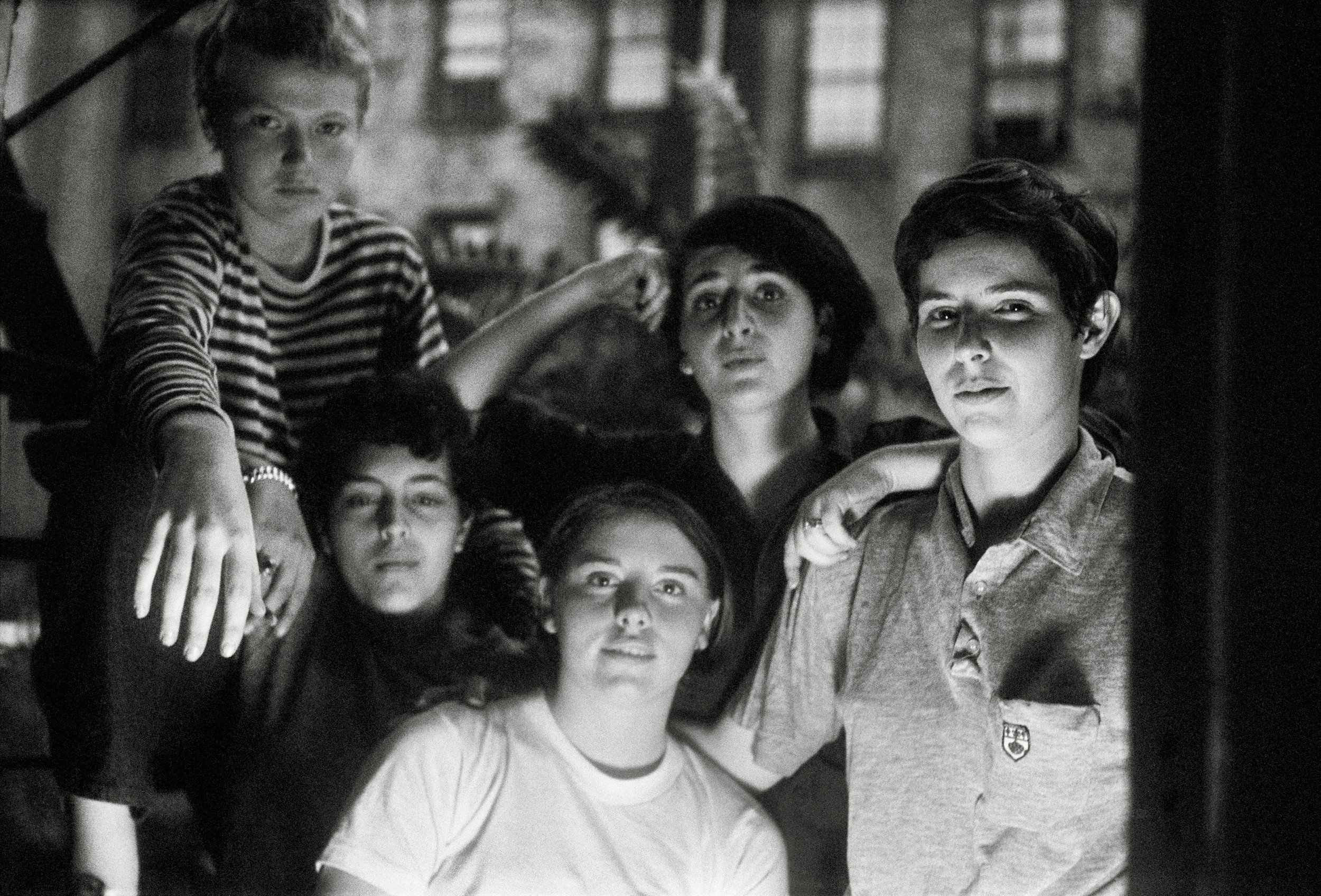
Oak, Robin, Binky, Chris et moi, Bébés Gouines, E. 9th Street, New York, 1969“…It would be too dangerous for this group of openly lesbian high-school girls. They are afraid of having their cameras stolen; of being taunted, spat at, beaten, or worse. The gay rights movement hasn't happened yet. This is 1968, a year before the Stonewall riots.”
Even after the war, queer people who were put in concentration camps were just moved to regular prisons to carry out the rest of their sentences. Gottschalk grew up in a time when these people were still not recognized as war victims of the Nazis. To carry this weight in the subjects you capture and cherish so dearly is a testament to the work. With the current rise of the far right in many countries, Hélène Giannecchini (the writer whose words accompany this exhibition and book) states, “In a way, it’s a political gesture to keep this work alive.”
I feel it is also important to note that this work has largely been kept private up until 2018. Was it because the work was always deeply personal and private, or because Gottschalk knew the subject matter would never be accepted?
My own photography and my portraits of queer people feel a million miles away from the hyper-political potential Gottschalk’s work serves. I’ve grown up in a time post-AIDS crisis, when the tide of homophobia seemed to have somewhat settled. Not that I have completely avoided being gay-bashed in the late ’90s, or spat at by kids at my school for being gay, but monumentally, I feel like I grew up in a time that has been the easiest for queer people to exist.
But as philosopher George Santayana said, “Those who cannot remember the past are condemned to repeat it.” It makes me think that this work is a testament to how far we have come and a stark reminder of how easily those liberties can be cruelly snatched away.
Never in my lifetime has showing work like this felt more important.
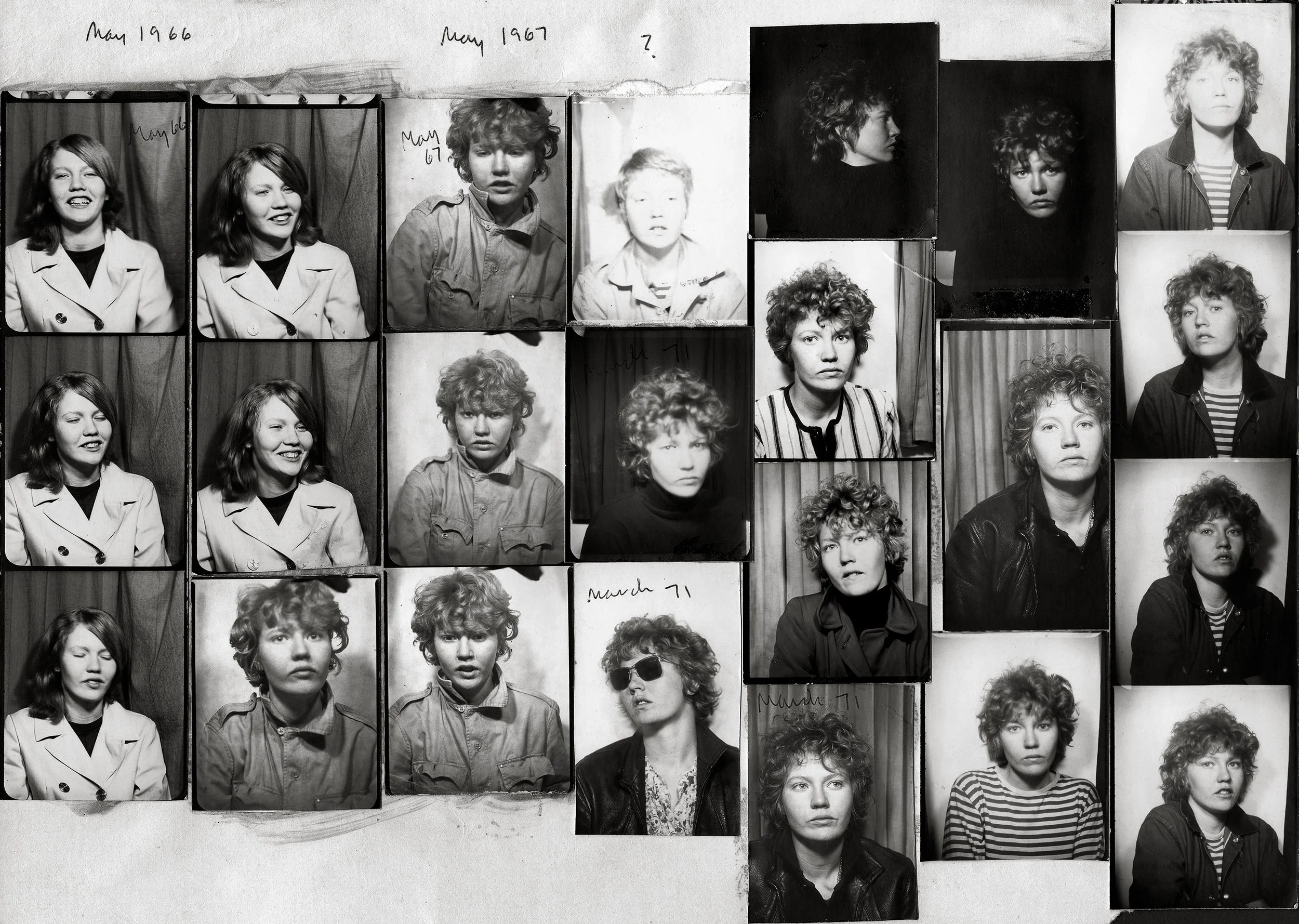
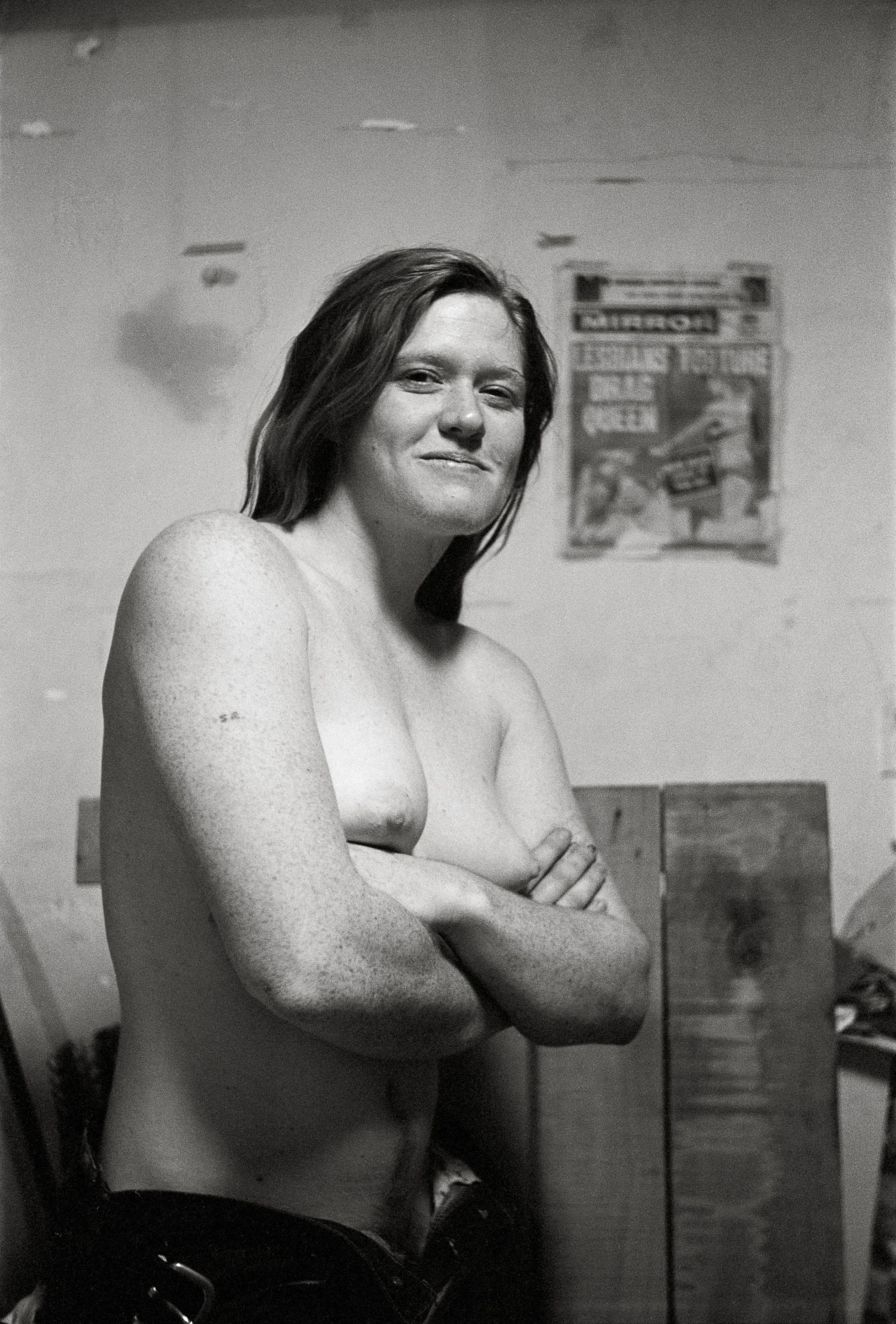

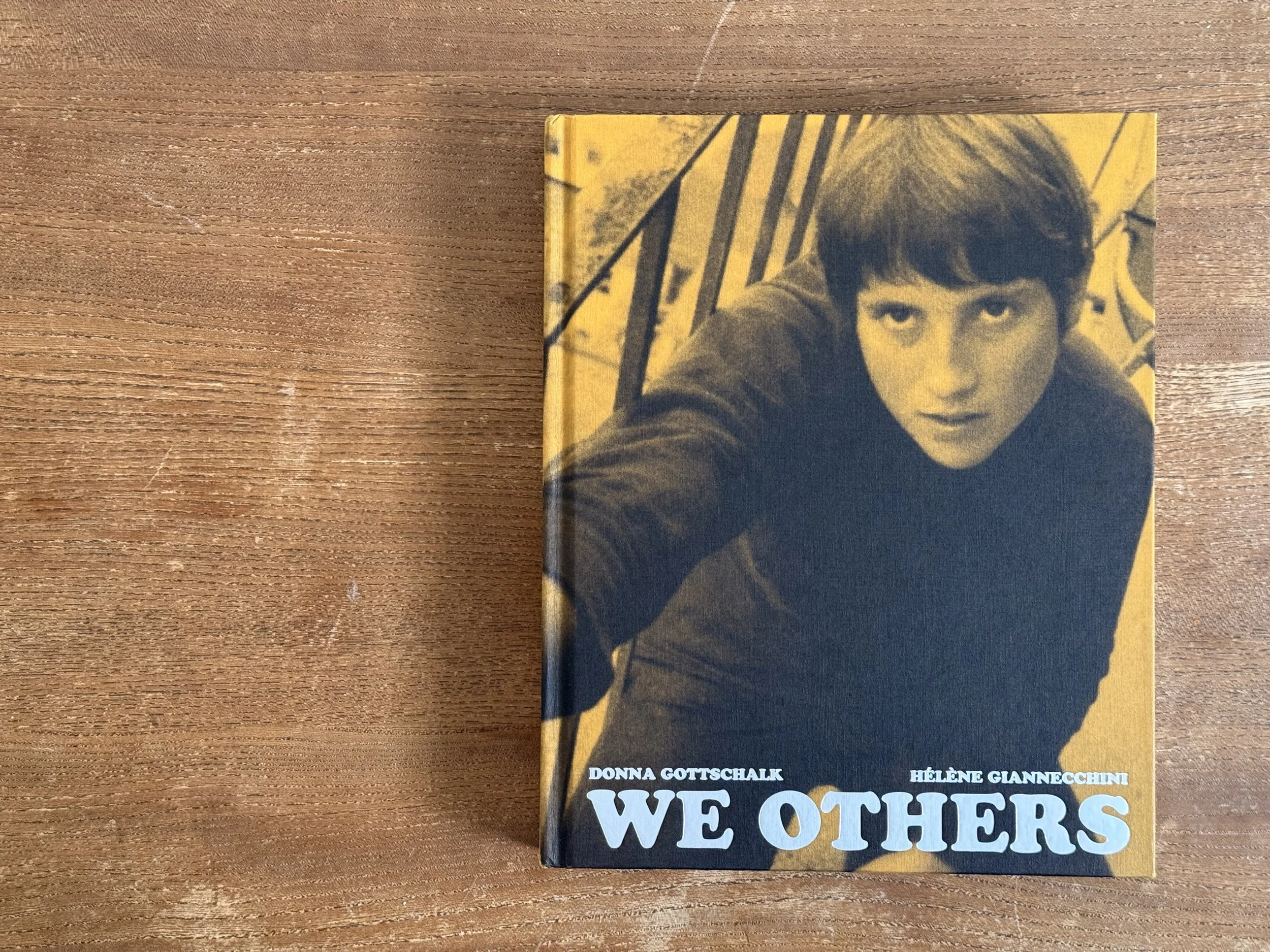
Exhibition: The Photographer gallery Now- June 6th 2026Book available at: TPG Bookshop.